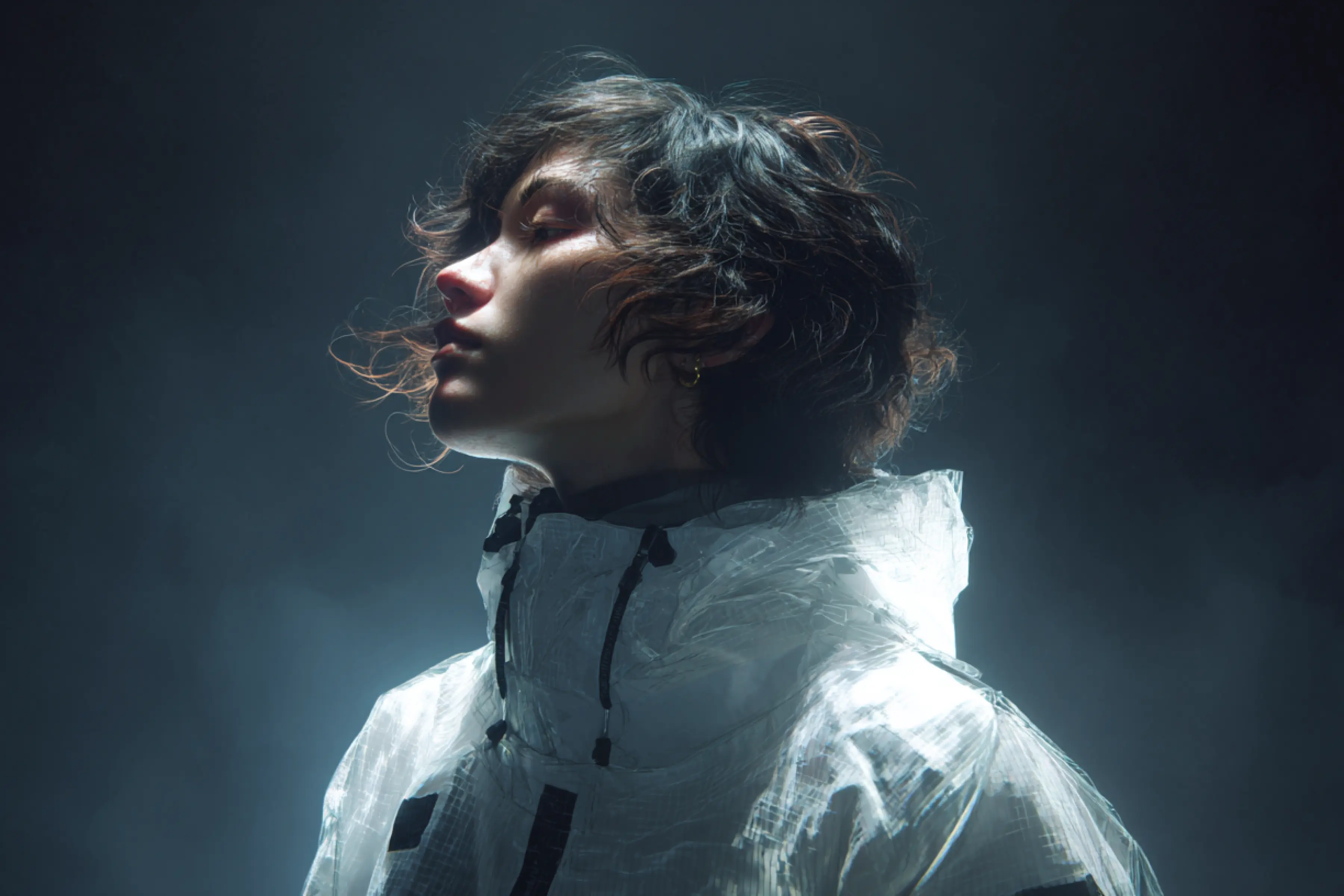
This episode features Xiao Han, a neuroscience postdoctoral researcher at Stanford and core member of Science in Motion, in conversation with James Durham on TBIOneLove. The discussion spans three threads: how neurological and psychiatric conditions can be understood and communicated through the lens of science-art collaboration, why merging rigorous research with creative expression opens new pathways for public understanding of the brain, and how artificial intelligence is poised to transform science education and talent development in the years ahead.
In the lab, we’re asking how the brain changes; in art, how the mind changes.
A few topics we explored in our conversation:
🧠 Synaptic plasticity, alternative splicing & Alzheimer’s disease
💃 Science in Motion & We Need a New Plan
Link to the work: https://lnkd.in/g5gG7hdY
🎨 Science × Art — To SIM, their deepest integration happens within the human being.
🤖 AI, consciousness & being human —Experience, emotion, meaning, and the feeling of being alive may matter even more.
🔭 Why neuroscience? — Xiao’s journey began with curiosity about consciousness and why people think so differently. Some people explore the outer world; she’ve always been fascinated by exploring the inner one.
🎓 The future of education — Curiosity, creativity, empathy, and courage may become even more important. Learning is not only about changing what we know, but how we think.
Tap the link below to listen:
https://www.tbionelove.com/podcast/episode/79ba6faa/tbi-one-love-podcast-dr-han-stanfford-university